What is a DIN Rail Electrical Box?
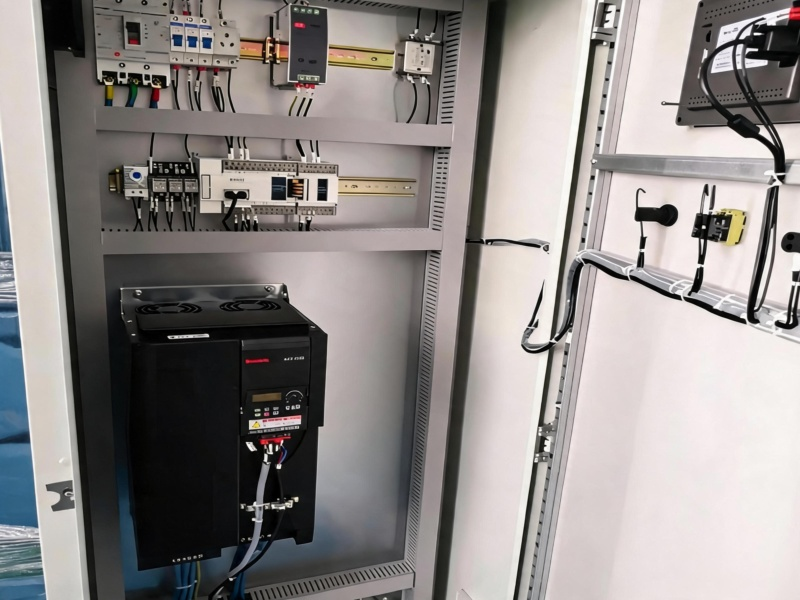
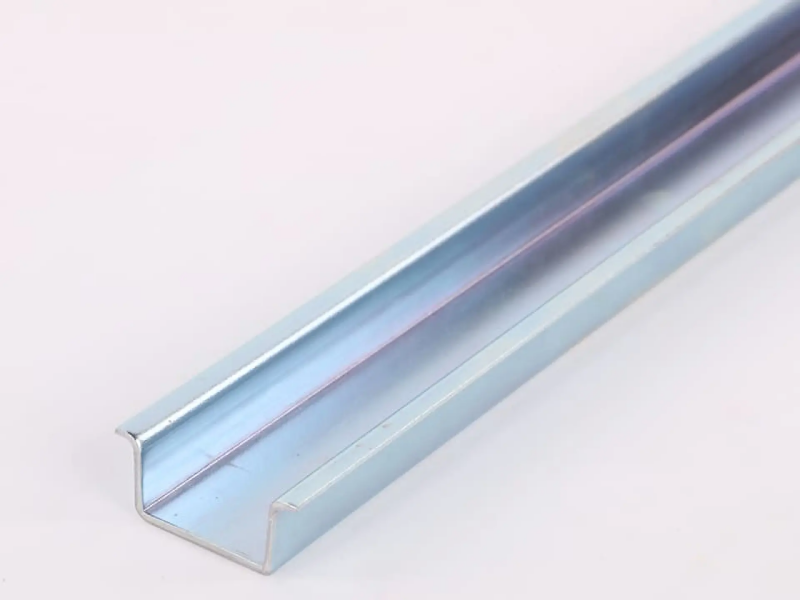
A DIN rail electrical box is a type of enclosure specifically designed to house electrical components mounted on DIN rails. DIN rails are standardized metal strips that serve as a mounting framework for circuit breakers, relays, and other control devices. These rails provide a clean and organized way to assemble and manage electrical systems.
DIN rail electrical boxes come in various sizes and materials, such as:
Plastic for lightweight and non-conductive applications.
Metal for robust, industrial-grade installations.
Their adaptability makes them ideal for residential, commercial, and industrial use.
Advantages of Using an Electrical Box for DIN Rails
Efficient Organization: These boxes help organize components neatly, reducing clutter and simplifying maintenance.
Safety Compliance: Designed to meet electrical safety standards, they protect against dust, moisture, and accidental contact.
Ease of Installation: With pre-drilled mounting points, assembling components is straightforward, even in complex systems.
Space-Saving Design: By utilizing vertical space, they minimize the footprint of electrical systems.
The Role of DIN Rail Fuse in Electrical Boxes
A DIN rail fuse is a critical component that enhances the safety and functionality of your electrical setup. Mounted directly on the rail, these fuses provide overcurrent protection, preventing damage to sensitive equipment. Key benefits of DIN rail fuses include:
Easy replacement and maintenance.
Compatibility with various fuse types and ratings.
Reliable performance in high-demand environments.
Integrating a DIN rail fuse into your electrical box ensures that your system is safeguarded against electrical faults, minimizing downtime and potential hazards.
Applications of DIN Rail Electrical Boxes
DIN rail electrical boxes are used in a wide range of settings, such as:
Industrial Automation: Housing PLCs, relays, and motor controllers.
Renewable Energy: Managing components for solar panel and wind turbine systems.
Building Management Systems: Controlling HVAC, lighting, and security systems.
Choosing the Right DIN Rail Electrical Box
When selecting a DIN rail electrical box, consider the following factors:
Material: Choose between plastic or metal based on your application’s requirements.
Size: Ensure the box accommodates all components with room for future expansion.
Ingress Protection Rating: For outdoor or harsh environments, opt for a box with a high IP rating.
Thermal Management: Look for ventilation or cooling options if your system generates heat.
Conclusion
A DIN rail electrical box is a cornerstone of modern electrical installations, offering unparalleled organization, safety, and efficiency. When paired with a DIN rail fuse, it ensures reliable protection and streamlined functionality for your systems. Whether you’re setting up a simple residential circuit or a complex industrial network, choosing the right electrical box and components is essential for long-term performance.