Understanding DIN Rail Systems
What is a DIN Rail?
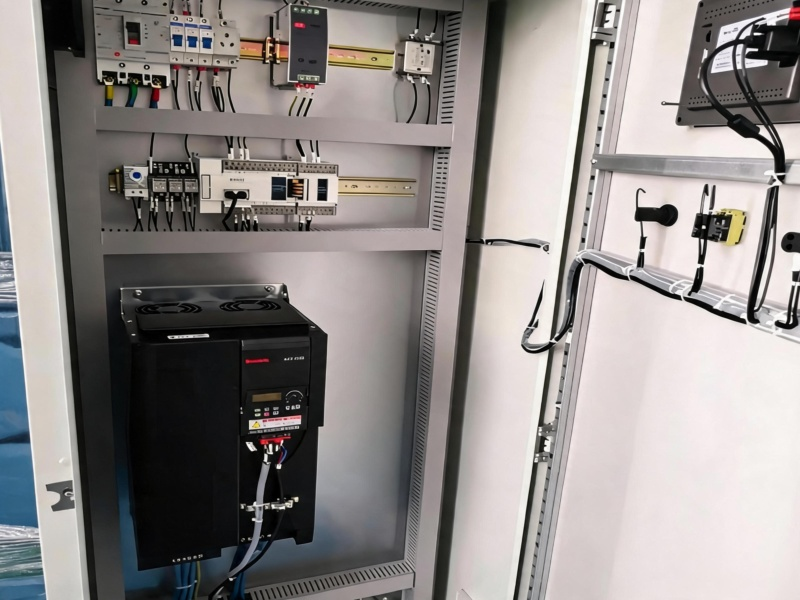
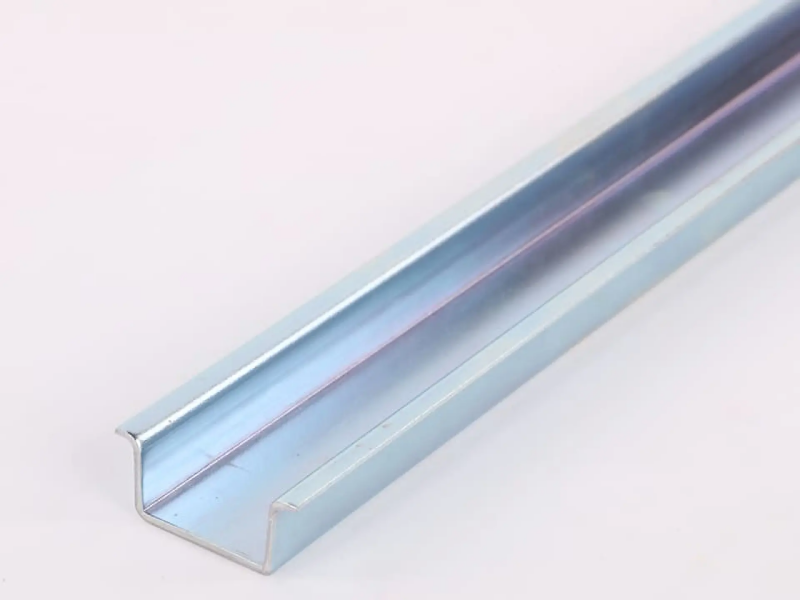
DIN rails are standardized metal rails widely used for mounting circuit breakers and industrial control equipment inside equipment racks. These rails conform to a specific set of standards and dimensions defined by DIN (Deutsches Institut für Normung), the German Institute for Standardization.
Types of DIN Rails
Top Hat Rail (TH35): The most common type, shaped like a hat.
G Section Rail: Less common, used for specific applications.
C Section Rail: Similar to the G section, used in unique settings.
Importance of DIN Rail Cable Connectors
What are DIN Rail Cable Connectors?
DIN rail cable connectors are specialized components designed to connect various electrical wires to DIN rail systems. These connectors ensure a secure, efficient, and organized way to manage wiring within electrical enclosures.
Benefits of DIN Rail Cable Connectors
Ease of Installation: Simplifies wiring setups.
Safety: Provides secure and reliable connections.
Organization: Keeps wiring neat and accessible.
Versatility: Compatible with various wire sizes and types.
Applications of DIN Rail Cable Connectors
Industrial Automation: Used in control panels and machinery.
Building Automation: Essential in HVAC and lighting systems.
Telecommunications: Integral in networking equipment setups.
Exploring DIN Rail Mount Connectors
What are DIN Rail Mount Connectors?
DIN rail mount connectors are devices that attach directly to the DIN rail, providing a stable platform for connecting wires and components. They come in various configurations to suit different applications and requirements.
Advantages of DIN Rail Mount Connectors
Stability: Firmly secures components to the rail.
Flexibility: Easily adjustable along the rail.
Compatibility: Works with a wide range of devices.
Common Uses of DIN Rail Mount Connectors
Power Distribution: Distributing power across different sections.
Signal Transmission: Ensuring clear signal paths in complex setups.
Component Integration: Simplifying the integration of various electrical components.
th35 7.5
Key Differences Between DIN Rail Cable Connectors and Mount Connectors
Functionality
Cable Connectors: Primarily used for connecting wires to the rail system.
Mount Connectors: Provide mounting and connection points for various components.
Installation
Cable Connectors: Directly connected to wires and then clipped onto the rail.
Mount Connectors: Attached to the rail first, then used to connect components.
Choosing the Right DIN Rail Connectors
Factors to Consider
Electrical Specifications: Voltage and current ratings.
Environmental Conditions: Temperature, humidity, and exposure to elements.
Application Requirements: Specific needs of your setup.
Installation Guide for DIN Rail Cable Connectors
Tools and Materials Needed
DIN rail
Cable connectors
Wire strippers
Screwdrivers
Measuring tape
Step-by-Step Installation
Prepare the Rail: Ensure the rail is securely mounted.
Strip the Wires: Remove the insulation from the ends of the wires.
Attach Connectors: Connect the wires to the cable connectors.
Mount Connectors: Clip the connectors onto the DIN rail.
Test Connections: Verify the connections are secure and functioning.
Installation Guide for DIN Rail Mount Connectors
Tools and Materials Needed
DIN rail
Mount connectors
Screwdrivers
Measuring tape
Step-by-Step Installation
Prepare the Rail: Secure the DIN rail in place.
Attach Mount Connectors: Snap the mount connectors onto the rail.
Connect Components: Attach the required components to the mount connectors.
Verify Installation: Ensure all components are securely mounted and connected.
The Ultimate Guide To DIN Rail Cable Connectors And Mount Connectors
Maintenance Tips for DIN Rail Systems
Regular Inspections
Visual Checks: Look for any signs of wear or damage.
Tightness: Ensure all connectors are tightly secured.
Cleaning and Upkeep
Dust Removal: Keep the rail and connectors free of dust and debris.
Corrosion Prevention: Apply protective coatings if necessary.
Troubleshooting Common Issues
Loose Connections
Symptoms: Intermittent power or signal loss.
Solutions: Tighten connections or replace faulty connectors.
Overheating
Symptoms: Excessive heat around connectors.
Solutions: Check for overloading and ensure proper ventilation.
Advanced Tips for Optimizing DIN Rail Systems
Efficient Layout Design
Organization: Plan the layout for easy access and maintenance.
Labeling: Clearly label all wires and connectors.
Using High-Quality Components
Invest in Quality: Use reputable brands to ensure reliability.
Regular Upgrades: Keep up with advancements in technology.
Case Studies and Real-World Applications
Industrial Automation
Example: A factory upgrading its control panels with DIN rail systems.
Outcome: Improved efficiency and reduced downtime.
Building Management
Example: A commercial building installing advanced HVAC controls.
Outcome: Enhanced energy efficiency and better climate control.
Future Trends in DIN Rail Technology
Smart Connectors
Integration with IoT: Advanced connectors with smart features.
Remote Monitoring: Real-time data and diagnostics.
Sustainable Solutions
Eco-friendly Materials: Use of sustainable and recyclable materials.
Energy Efficiency: Designs focusing on reducing energy consumption.
FAQs
How do I choose the right DIN rail for my application?
Consider the weight and type of components, as well as the environmental conditions.
Can DIN rail connectors be reused?
Yes, many connectors can be removed and reused if they are still in good condition.
What are the benefits of using DIN rail systems?
They offer organized, secure, and flexible mounting solutions for electrical components.
Are DIN rail systems standardized?
Yes, they follow international standards, ensuring compatibility and reliability.
How do I maintain my DIN rail system?
Regularly inspect and clean the rail and connectors, and ensure tight connections.
What are the common problems with DIN rail installations?
Loose connections, overheating, and physical damage are common issues that can be addressed with proper maintenance.
Conclusion
DIN rail systems, with their cable connectors and mount connectors, play a crucial role in modern electrical installations. Understanding their benefits, applications, and proper installation techniques ensures efficient and reliable operation. By following this guide, you can optimize your DIN rail setups for various industrial, commercial, and residential applications.
For those looking for specific DIN rails, consider exploring the NS35 DIN rail as an option for robust and reliable installations.