Benefits of Using DIN Rail Electrical Components
Easy Installation: Components securely snap onto the rail without requiring additional tools.
Modular Design: Facilitates rapid modifications and system expansions.
Space Efficiency: Enables a compact arrangement of electrical devices within enclosures.
Standardization: Ensures cross-compatibility among different manufacturers, enhancing integration flexibility.
Enhanced Safety: Helps in maintaining systematic and organized wiring, reducing the risk of faults and failures.
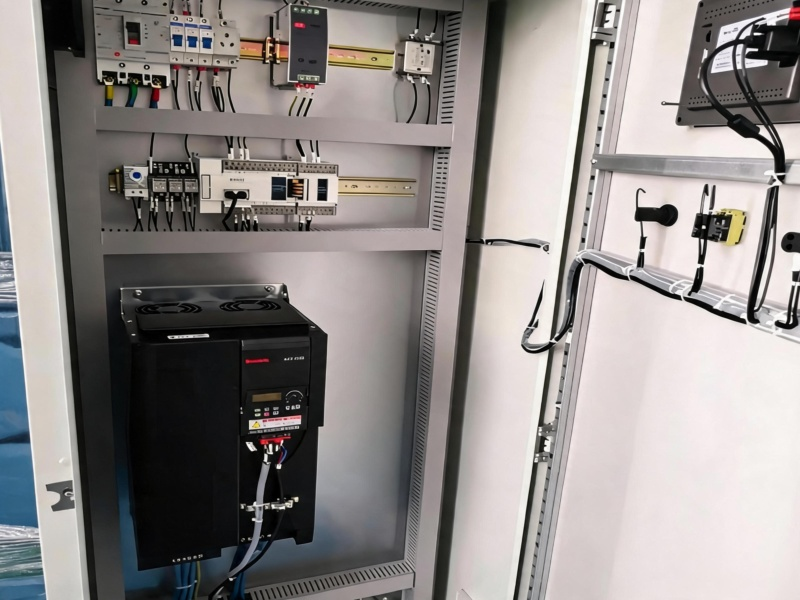
Understanding the DIN Rail Electrical Box A DIN rail electrical box is an enclosure specifically engineered to house DIN rail-mounted components, offering protection against dust, moisture, electromagnetic interference, and mechanical damage. These enclosures play a crucial role in ensuring the longevity and reliability of electrical and automation systems.
Features of a DIN Rail Electrical Box
Material: Available in high-durability plastic, corrosion-resistant metal, or reinforced fiberglass.
Thermal Management: Some enclosures feature ventilation systems or heat dissipation mechanisms to prevent component overheating.
Ingress Protection (IP) Ratings: A critical factor for industrial and outdoor applications, with enclosures ranging from IP54 (dust-resistant) to IP67 (waterproof).
Customization: Many boxes offer pre-configured mounting options, cable entry points, and expansion capabilities.
Applications of a DIN Rail Electrical Box
Industrial Automation: Houses PLCs, relays, and communication modules.
Power Distribution: Encloses circuit breakers and transformers in electrical panels.
Telecommunications: Protects networking and signal processing equipment.
Renewable Energy Systems: Provides a structured installation for inverters and monitoring devices in solar and wind energy setups.
How to Choose the Right Electrical Box DIN Rail Selecting the ideal electrical box for DIN rail-mounted equipment requires careful consideration of the following factors:
Size and Capacity Ensure the enclosure has sufficient internal space to accommodate all components while allowing for potential future upgrades. Proper spacing helps with heat dissipation and cable management.
Environmental Protection For harsh industrial settings or outdoor installations, opt for enclosures with high ingress protection (IP) ratings. If the system is exposed to high temperatures or chemicals, materials with enhanced thermal and chemical resistance should be prioritized.
Material Selection
Plastic: Lightweight, cost-effective, and non-conductive, ideal for low-voltage applications.
Metal: Provides superior durability, heat resistance, and electromagnetic shielding, often used in power distribution and industrial automation.
Fiberglass: Corrosion-resistant and highly durable, suitable for extreme environments.
Mounting and Accessibility Choose enclosures that offer versatile mounting options, including wall-mount and panel-mount configurations, to ensure seamless integration into your existing setup. Accessibility features such as hinged doors and transparent covers facilitate maintenance and monitoring.
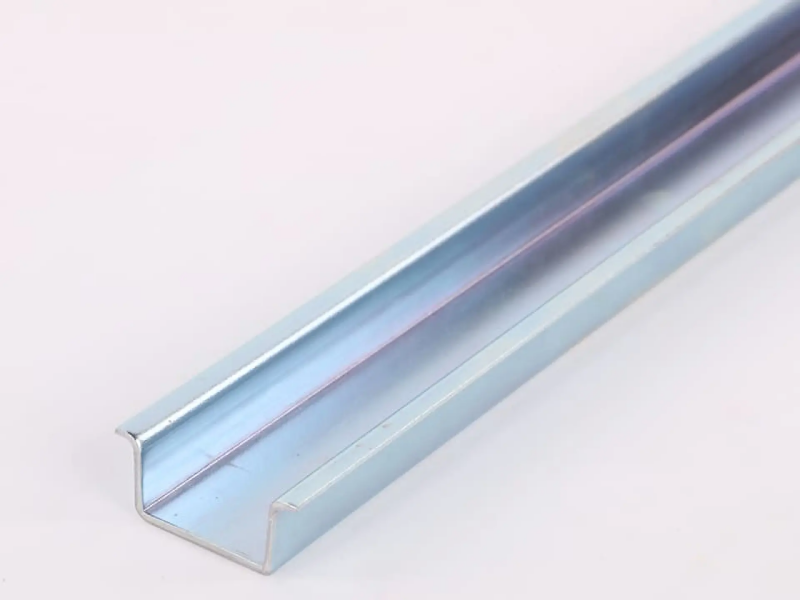
electrical-din-rail.jpg
Conclusion DIN rail electrical systems are an integral part of modern industrial and commercial applications, offering a standardized, efficient, and scalable solution for mounting electrical and automation components. A well-selected DIN rail electrical box ensures optimal protection, ease of maintenance, and long-term reliability. By evaluating factors such as material, environmental resistance, and expansion capability, engineers and technicians can enhance system performance while ensuring